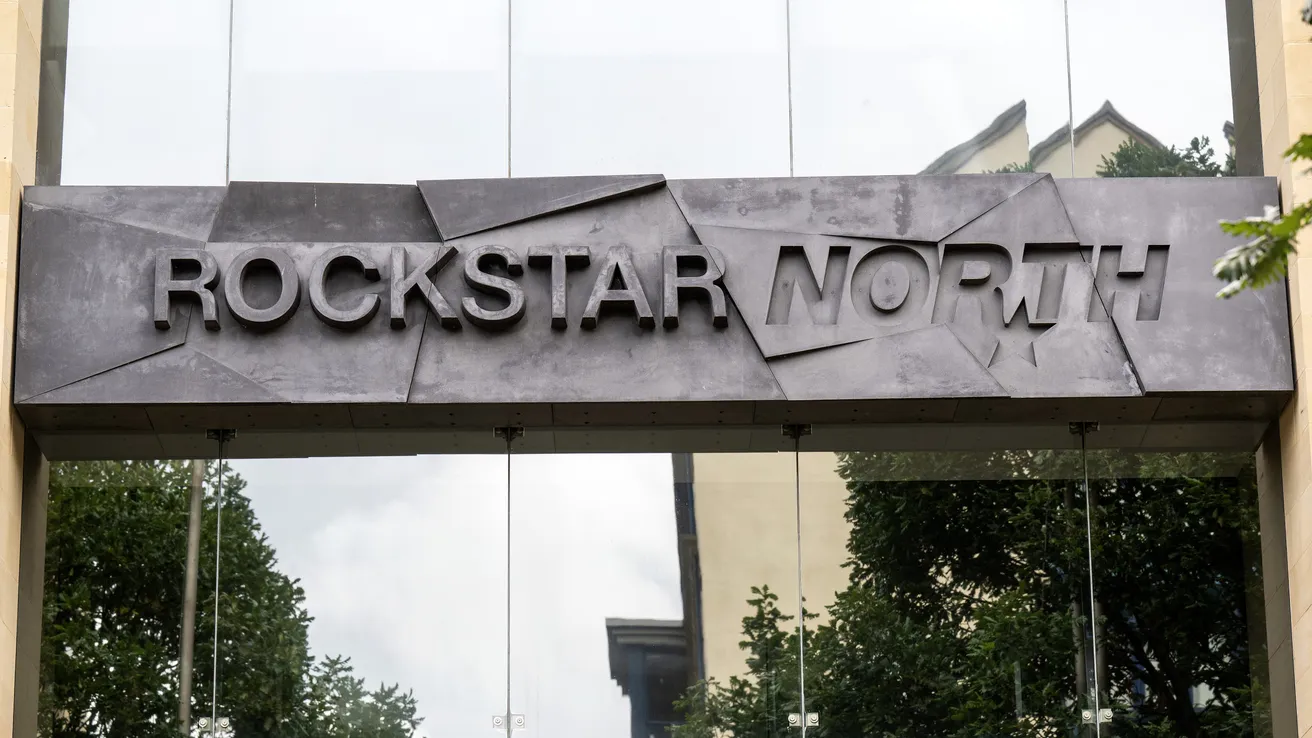
Rockstar Games Union Vote Results Announced
According to recent reports, the union recognition vote at Rockstar Games has failed, with 75 percent of participating employees voting against an agreement with the IWGB Game Workers Union. Only 25 percent of the votes cast were in favor of the recognition deal. Despite the defeat, the ballot saw a notable 93.2 percent voter turnout among the workforce.
The voting process followed months of formal negotiations between the union and the studio. These talks occurred while the IWGB and Rockstar engaged in public clashes regarding the firing of 31 employees in October of the previous year. The studio alleged that those workers leaked company secrets, while the IWGB maintained that the terminations were unlawful and accused Rockstar Games of engaging in union busting practices. The voting period overlapped with the closing submissions of an employment tribunal that concluded earlier this month, with a final judgment still pending.
Why It Matters
This vote carries significant implications for labor relations within the global interactive entertainment sector. Had the IWGB Rockstar Game Workers Union secured a victory, it would have established itself as the largest recognized union in the United Kingdom games industry. The outcome arrives closely tied to the massive commercial success of Grand Theft Auto 6, which launched to historic industry records. As major studios navigate complex internal organizing efforts alongside massive blockbuster development cycles, the ongoing legal and labor dynamics at prominent developers continue to draw intense scrutiny from industry observers and gaming enthusiasts alike.
Broader Industry Context
The developments at Rockstar Games highlight the growing prominence of unionization efforts within major development houses. As various studios scale up operations to deliver unprecedented AAA projects, workforce organization and institutional representation remain critical discussion points across the video game landscape. Observers are closely monitoring the upcoming employment tribunal judgment to see how future labor relations unfold for the studio and the broader development community.