Reflecting on Franchise History
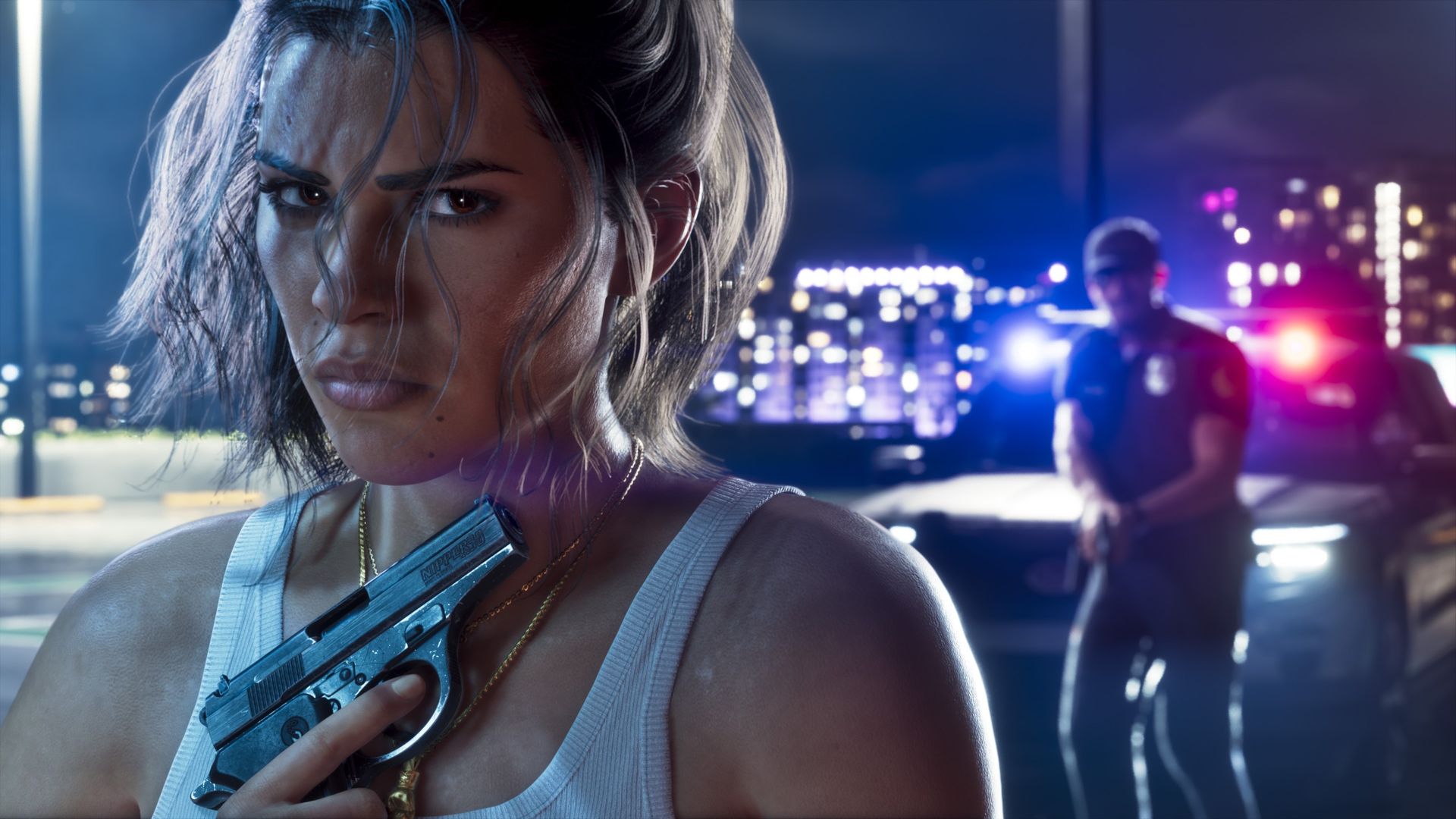
As anticipation builds for Grand Theft Auto 6, industry discussions continue to focus on the game's historic introduction of Lucia as a primary protagonist. While some enthusiasts mistakenly credit Lucia as the absolute first female playable character in franchise history—overlooking titles like the original Grand Theft Auto, which featured four selectable women among its eight protagonists, and Game Boy Color releases—she undeniably marks the first female lead since the series transformed into a culture-swallowing goliath.
In a recent interview with CBC's As It Happens, original Grand Theft Auto writer Brian Baglow shared his perspective on the milestone. Baglow, who served as head of propaganda and indoctrination at DMA Design—the studio that later evolved into Rockstar North—during the 1990s, admitted that the franchise's historical portrayal and treatment of women 'has not been good'. He explicitly stated that introducing a female protagonist of this caliber to the modern series is long, long overdue.
The Evolution of Rockstar's Narrative Design
Looking back at the development of the 1997 original, Baglow recalled that the team did not begin with a traditional narrative script. Instead, development started with a technical demonstration focused on navigating a top-down virtual city. Baglow was brought on specifically to build the story around these early mechanics, a far cry from the cinematic, character-driven storytelling that defines contemporary releases like Grand Theft Auto 6.
Why It Matters
For the broader gaming industry and the community, commentary from foundational developers offers valuable historical context regarding how blockbuster franchises mature. Grand Theft Auto remains one of the most influential and financially lucrative entertainment properties in history, meaning creative shifts within the studio resonate across the entire medium. By acknowledging past shortcomings and embracing a prominent female lead, the discourse surrounding the upcoming release highlights how narrative expectations and character representation have shifted significantly since the franchise's inception in the late nineties.