Ubisoft Addresses the AAAA Controversy in Court
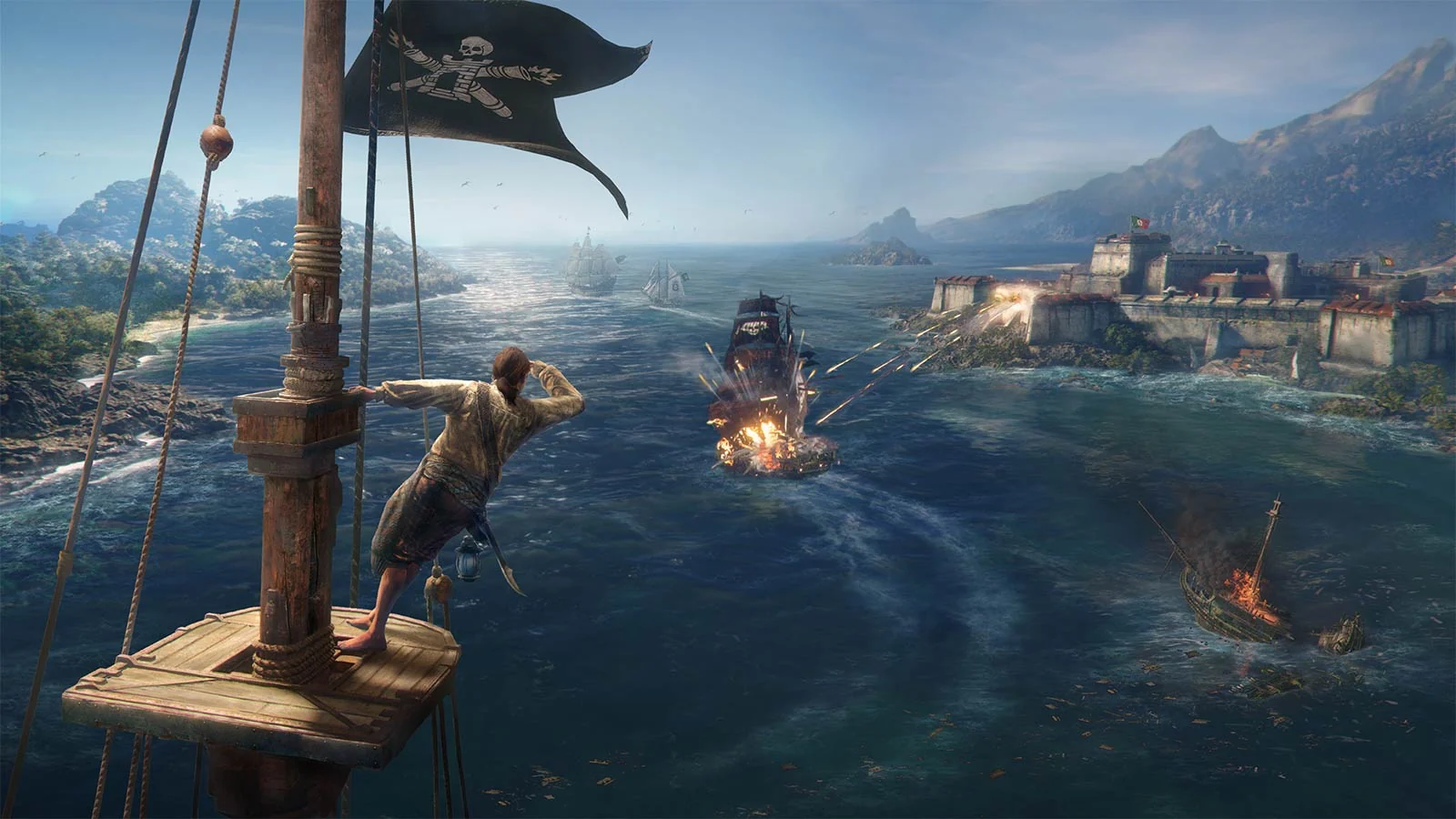
According to reports from Video Games Chronicle, publisher Ubisoft has officially defended its decision to label Skull and Bones as a quadruple-A game amidst ongoing legal scrutiny. The designation, which initially drew significant attention and skepticism from players and industry analysts alike when the pirate action title launched, has now become a focal point within a formal lawsuit.
In its defense filings, Ubisoft contends that the ambitious quadruple-A classification should not be treated as a factual guarantee or objective metric. Instead, the publisher argues that the remarks made by CEO Yves Guillemot regarding the game's tier represented personal opinion rather than a quantifiable corporate benchmark.
Why It Matters
This legal defense highlights the fine line that game publishers walk between marketing hyperbole and factual consumer communication. In the modern gaming industry, grand promotional descriptors and high budget tiers are frequently utilized to generate consumer interest and justify premium pricing models. When executives apply unprecedented classifications like quadruple-A to major software releases, it sets high expectations for gameplay depth, polish, and production value. The outcome of this debate and related legal challenges could influence how public-facing executives frame their upcoming releases and how courts evaluate promotional statements versus factual claims in the competitive interactive entertainment sector.
Moving Forward with Skull and Bones
As the legal proceedings continue to unfold, the focus remains on how regulatory bodies and courts evaluate executive commentary in the video game sector. While Ubisoft maintains that the remarks were subjective expressions from leadership, players and industry observers will likely continue to debate the practical definition of production tiers in modern development. Further updates regarding the lawsuit are expected as the legal process moves forward through the courts.